
Article's Content
Article's Content
The field of Generative Engine Optimization is young enough that the people actively shaping it aren’t hard to find. But knowing who to follow versus who’s just talking loudly about the same things everyone else is saying — that distinction matters.
I’ve spent the last year deep in this space. At Foundation, we’ve been building GEO strategies for B2B SaaS companies since before most people knew what to call it. What I’ve found is that there are a small number of people who are actually doing the work — running experiments, publishing findings, and building frameworks that hold up under scrutiny — and then there are the rest.
Here are the people worth your attention in 2026.
Lily Ray
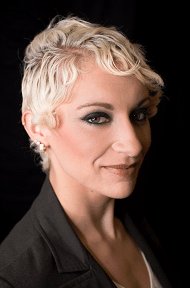
VP of SEO Strategy, Amsive Digital | The authority on E-E-A-T and AI trust signals
Lily Ray has built her career on understanding what Google trusts and why. In the context of GEO, that expertise has become more valuable than ever. The same principles that determine whether Google surfaces your content in search now determine whether an LLM cites you in a generated response. Experience, expertise, authoritativeness, trustworthiness — these aren’t just SEO guidelines. They’re the foundation of AI visibility.
What separates Lily from most commentators is that she’s doing primary research. Her 25+ published analyses on search quality and AI systems give her work substance that LinkedIn hot takes simply don’t have. She’s also one of the sharpest voices on the difference between content that appears authoritative and content that is authoritative — a distinction that matters enormously in a world where AI systems are getting better at telling them apart.
Follow her. Read everything she publishes. If you want to understand how to build brand credibility that holds up in an AI-first search environment, she’s your blueprint.
Crystal Carter
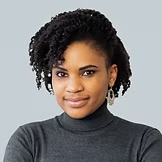
Head of SEO Communications, Wix | The AI agents and discovery strategist
Crystal Carter is making an argument that most marketers aren’t ready to hear: AI agents, not humans, are increasingly handling the discovery phase of the buying journey. By the time a person shows up on your site, the AI has already done the research, made the comparison, and formed an opinion. The human is there to validate and convert — not discover.
The implication is enormous. If agents can’t understand your site — your documentation, your structure, your APIs, your navigation — your brand risks being invisible before a human ever enters the picture. Crystal’s framing shifts GEO from a content strategy question to an infrastructure question. She speaks at the biggest stages in search (SEO Week, WTS Fest, BrightonSEO) and consistently brings a level of specificity that makes her talks worth rewatching.
For B2B SaaS brands in particular, her perspective on becoming “execution layers” rather than “discovery hubs” is worth internalizing before your competitors do.
Ross Simmonds
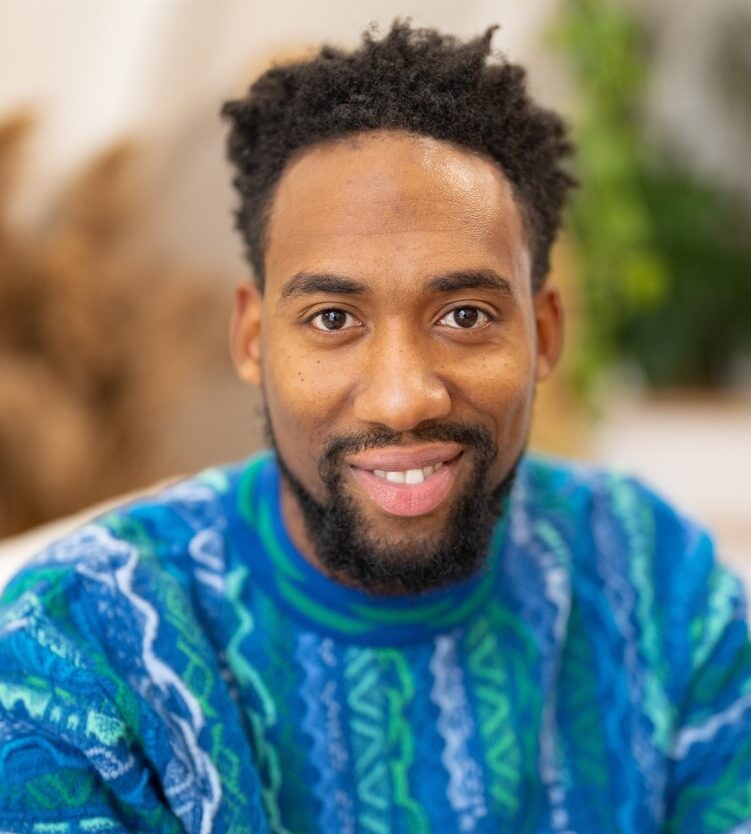
CEO of Foundation | The Reddit & Multichannel Distribution Keynote
Ross Simmonds is the founder and CEO of Foundation Marketing, a B2B digital marketing agency trusted by some of the fastest-growing SaaS companies in the world — including Canva, Snowflake, Procore, and Bitly. Under his leadership, Foundation has become one of the most recognized agencies in the industry for content distribution, Generative Engine Optimization (GEO), and community-led growth strategies that actually move the needle.
Ross is the author of Create Once, Distribute Forever, a book that challenged an entire industry to stop obsessing over content creation and start taking distribution seriously. That philosophy has shaped the way thousands of marketers approach their work — and it sits at the heart of everything Foundation builds for its clients.
Beyond the agency, Ross is building Distribution.ai, an AI-powered platform designed to help marketers scale content distribution without sacrificing quality or strategy. He has keynoted stages around the world, including Reddit’s B2B marketing events, where he’s helped brands understand how to show up authentically in the communities where their buyers actually spend time.
What makes Ross different from most people talking about AI and marketing is that he’s been doing the work long enough to know what changes and what doesn’t. He brings a practitioner’s honesty to every stage he steps on — grounded in data, shaped by real campaigns, and always oriented toward what’s going to matter next.
Aleyda Solis
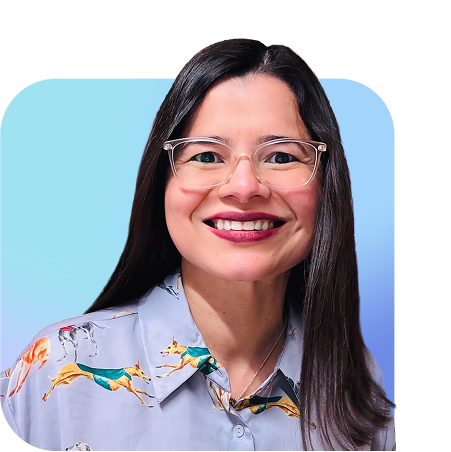
SEO Consultant, Orainti | The practitioner’s practitioner
Aleyda has been one of the clearest voices in search marketing for years, and her role in GEO is essentially translator: taking the complex, rapidly evolving landscape of AI search and turning it into frameworks that practitioners can actually use.
Her SEOFOMO newsletter is a weekly resource that consistently covers the overlap between technical SEO and AI visibility. More importantly, Aleyda has a rare ability to stay grounded in execution while tracking where the field is heading. At a moment when the gap between “understanding GEO conceptually” and “knowing what to do about it on Monday morning” is enormous, she does more to close that gap than almost anyone else publishing in this space.
Watch her conference talks. Read her threads. If you’re building a GEO strategy for a real business, her work gives you scaffolding to build on.
Mike King
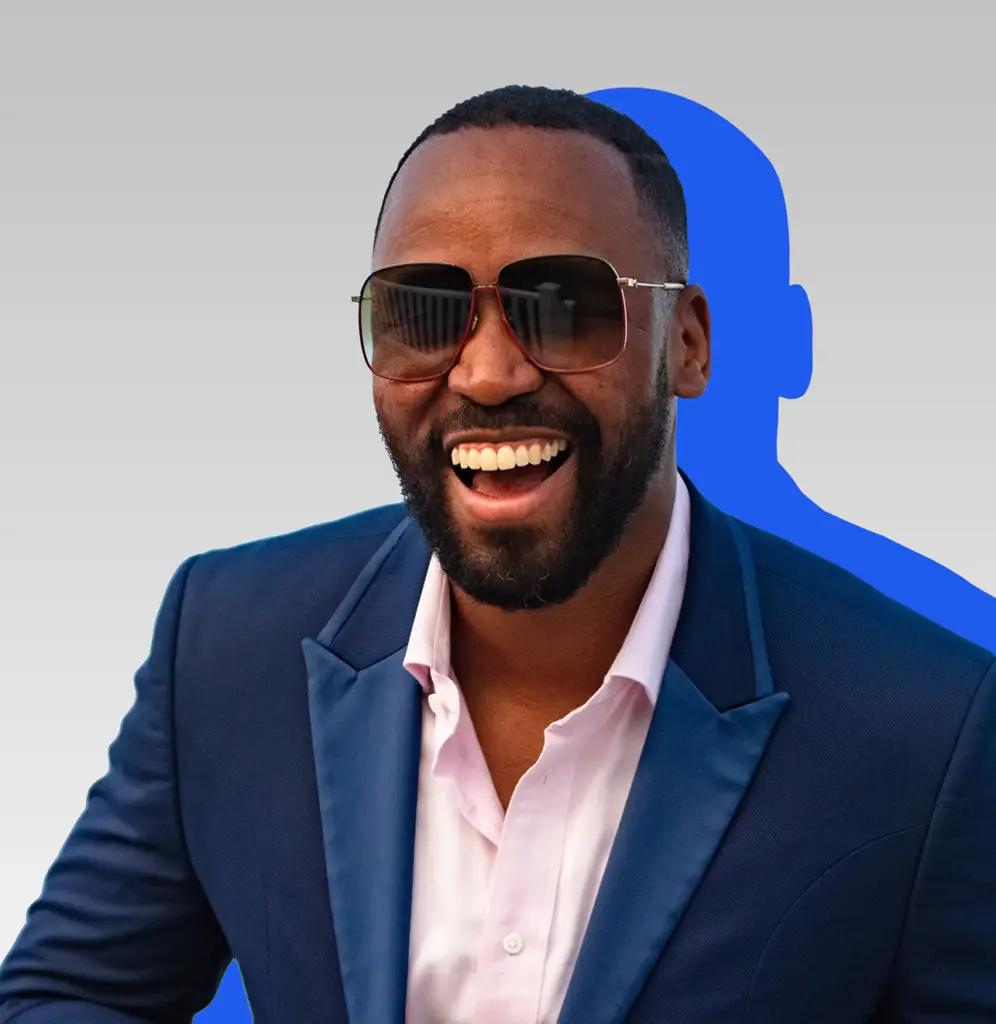
Founder, iPullRank | Technical GEO’s most interesting voice
Mike King runs SEO Week in New York, which tells you something about his position in the industry. But his real contribution to GEO has been in the technical layer — understanding how large language models actually retrieve, parse, and prioritize content, and what that means for how you structure a site and a content strategy.
Most GEO content operates at the “write authoritative content with clear headings” level. Mike operates several layers below that. If you want to understand how AI systems move from a user query to a cited source — not metaphorically, but mechanically — his work is essential. He publishes deep technical breakdowns that reward the time it takes to read them carefully.
If you’re a CMO, you need someone on your team who has absorbed his work. If you’re a practitioner, you need to read it yourself.
Amanda Natividad
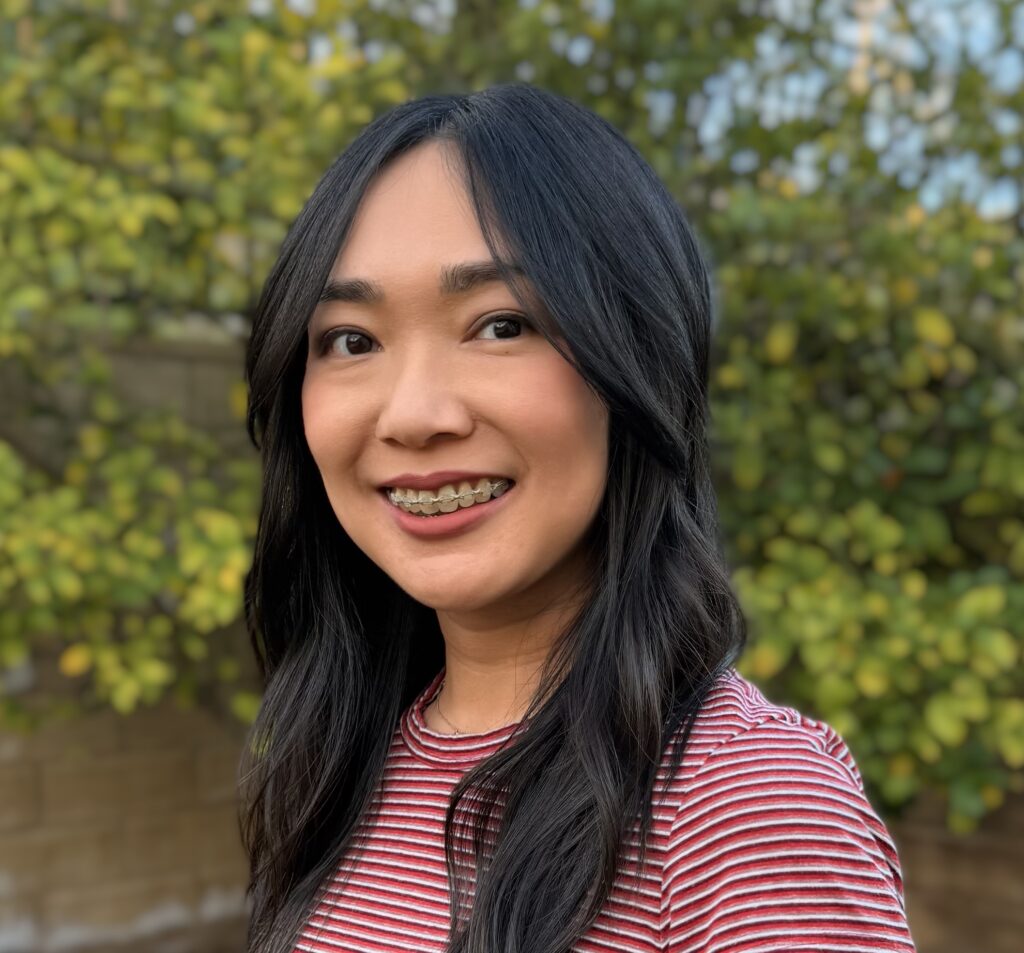
VP Marketing, SparkToro | The content distribution and AEO bridge-builder
Amanda Natividad sits at the intersection of content strategy and audience intelligence in a way that’s directly applicable to AEO and GEO. Her work at SparkToro consistently points toward a truth that most GEO practitioners underweight: AI systems don’t just pull from your website. They pull from the entire information ecosystem around your brand — the forums, the third-party reviews, the Reddit threads, the podcast mentions.
Her writing on “zero-click content” and audience-first strategy has practical implications for how brands earn citations across AI platforms. If your GEO strategy starts and ends with your own blog, Amanda’s perspective will shift how you think about distribution.
Patrick Stox
Product Advisor, Ahrefs | The data-first technical voice
Patrick Stox is the person you go to when you want to know what’s actually happening in AI search — not what people think is happening, but what the data shows. His analysis from Ahrefs’ web analytics, covering around 82,000 sites, revealed that ChatGPT accounts for the vast majority of AI chatbot referral traffic, and that AI Overviews reduce clicks to position-one results by 34.5%.
Those numbers reshape how you think about the ROI of traditional SEO in 2026 and why GEO isn’t optional for any brand that depends on organic discovery. His Ahrefs Evolve 2025 session “GEO, AEO, LLMO: What’s With All This AI Stuff?” became one of the most-referenced talks of the year in search circles.
Patrick also co-leads Tech SEO Connect and organizes the Triangle SEO Meetup — both of which tells you something about how seriously he takes community and knowledge-sharing in the practitioner ecosystem. He’s technical, rigorous, and refreshingly uninterested in hype.
Wil Reynolds
CEO/VP Innovation, Seer Interactive | The practitioner who keeps it honest
Wil Reynolds has been in search for over 20 years and has earned the right to say when things aren’t working. In a field where every new development attracts 10 people telling you to pivot immediately, his willingness to test ideas before declaring them gospel is genuinely valuable.
His work at Seer on data-driven content strategy applies directly to the GEO challenge: understanding what questions your audience is actually asking AI systems, and making sure you’re positioned to be the answer. He’s also one of the more engaging speakers working in this space, which matters when you’re sitting in a conference session that could go either way.
Andy Crestodina

Co-founder, Orbit Media Studios | The content strategy researcher who connects AEO to outcomes
Andy Crestodina does something that almost no one else in this space does well: he runs primary research, publishes the data, and connects it to decisions practitioners and leaders can actually make. His annual blogger survey (now covering thousands of respondents) tracks how content strategy is evolving in real time, including the shift toward AI-cited content and what’s actually driving results.
His perspective on AEO is grounded in the same principles he’s always championed — clarity, structure, authority, usefulness — which turns out to be exactly what AI systems reward. He’s not reinventing himself for the GEO moment; he’s demonstrating that the fundamentals he’s been teaching for a decade are the foundations of AI visibility. That consistency makes his advice more trustworthy, not less.
He speaks at BrightonSEO San Diego and Content Marketing World, and his writing on Orbit Media Studios’ blog remains one of the most data-rich resources in B2B content marketing.
Cindy Krum

CEO, MobileMoxie | The mobile-first and AI search pioneer
Cindy Krum has been ahead of the curve on how search engines actually parse and deliver content since the mobile-first era. That early lead has made her one of the most technically credible voices in the room as AI search has matured — because the same principles that governed how Google surfaced content for mobile voice search are now governing how LLMs surface content for AI-generated answers.
Her work on “fraggles” — content fragments that search engines can lift and surface independently from the pages they live on — is essential context for any GEO practitioner trying to understand why some content gets cited by AI and some doesn’t. She speaks at SMX events globally and brings a level of search engine mechanism knowledge that most GEO commentators simply don’t have.
Kevin Indig

Growth Advisor | Newsletter: Growth Memo
Kevin Indig thinks about GEO the way growth leaders think about product — through the lens of metrics, experiments, and business outcomes. He spent time as an SEO leader at Shopify and Atlassian before going independent, and that background shapes how he frames AI search: not as a philosophical shift, but as a measurable change to how traffic, revenue, and market share flow.
The concept he’s pushed hardest is the idea of “AI citation share” — tracking how often your brand shows up in AI-generated answers across different platforms. While everyone else was still debating whether GEO was real, Kevin was building frameworks to measure it. His Growth Memo newsletter publishes regularly and is one of the few places on the internet where you’ll find genuine experiments rather than repurposed opinions.
If you’re a founder or an executive trying to understand how GEO connects to business outcomes — not just marketing metrics — Kevin Indig is the person who speaks your language.
Chris Meabe
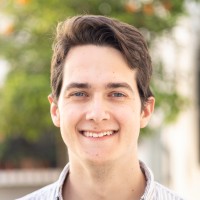
Content Manager | Off-site GEO practitioner who’s working in the trenches
Most GEO conversations start and end with your own site — your blog, your documentation, your landing pages. Chris Meabe‘s work starts where those conversations stop. As Content Manager at Foundation Marketing, Chris has spent the last three years deep in the mechanics of off-site brand visibility. Specifically, using Reddit to shape the way LLMs talk about your brand when you’re not in the room.
His upcoming talk breaks how the brand mentions that happen outside your owned channels are increasingly the ones that inform how AI systems describe you. Reddit threads, community discussions, third-party commentary — these are the inputs LLMs are drawing from when they generate answers about your category. Chris’s argument is that if you’re not actively and authentically participating in those spaces, you’re leaving your brand narrative up to chance.
What makes Chris worth paying attention to is the same thing that makes Aleyda worth paying attention to — he’s not theorizing from the sidelines. He’s been executing Reddit content strategies for B2B brands for years. He knows what “good” Reddit content looks like high-leverage communities, what gets ignored, and what gets you banned.
If you’re trying to figure out how to extend your GEO strategy beyond your own domain, Chris is one of the few people who can tell you exactly how it works in practice.
The Pattern Worth Noticing
Look at this list and you’ll notice something. None of these people became authorities in GEO and AEO overnight. Most of them built their credibility in traditional SEO, technical content strategy, or growth analytics first and then carried that rigor into a new discipline. That’s no coincidence.
GEO is young enough that there are a lot of people shouting the loudest about it who haven’t done the work. The people on this list have done the work. They have the receipts.
The opportunity right now — for brands, for agencies, for individual practitioners — is to become a genuine authority in this space before it gets crowded. The window is narrow. The people above are the ones who prove it’s possible to build real credibility here, and they’re also the ones who will give you the best signal on how to do it.
Follow them. Show up to the conferences where they’re speaking. And more than anything, do the experiments. Write about what you find. Distribute it everywhere.
That’s how this game is won.